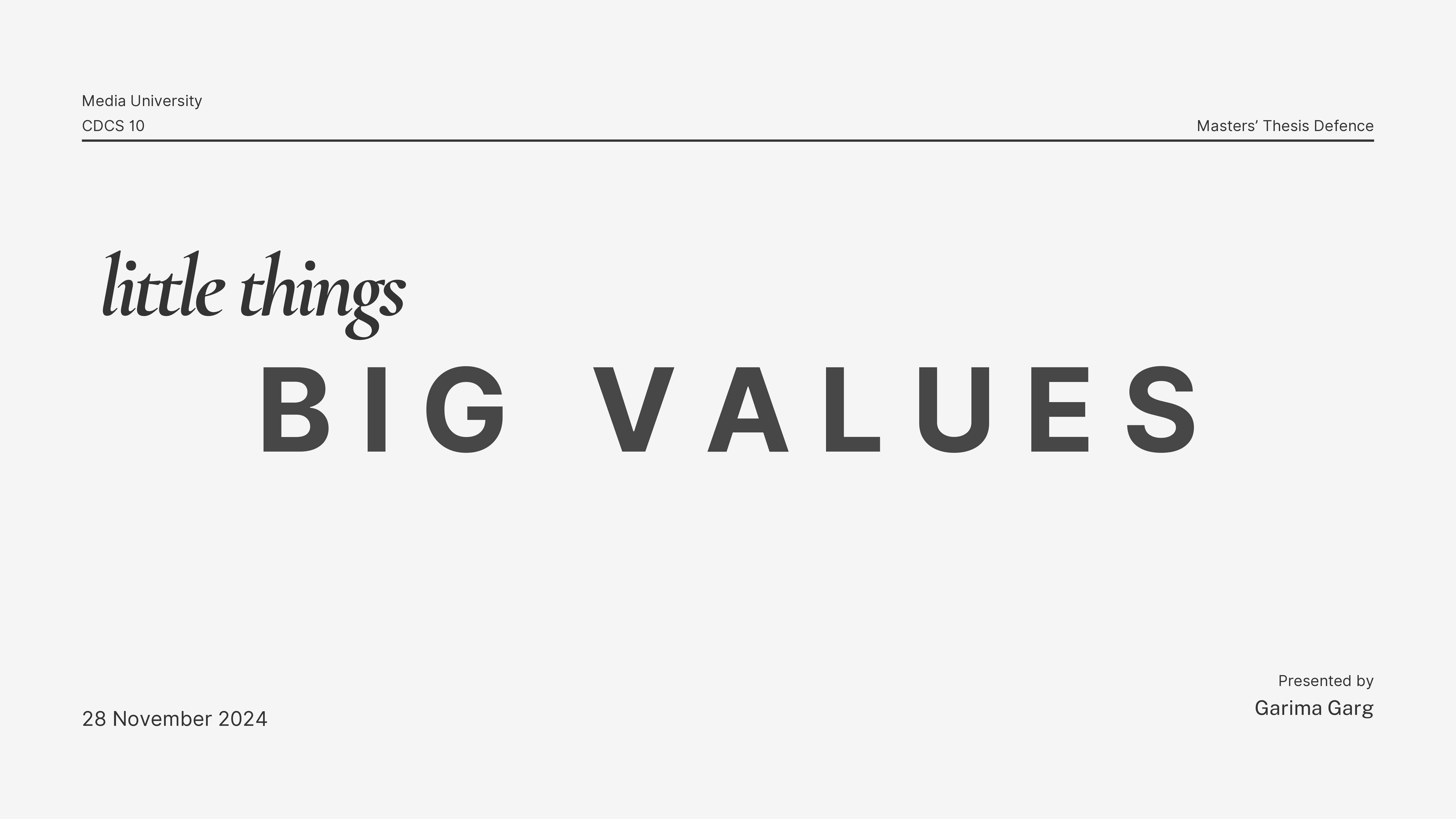
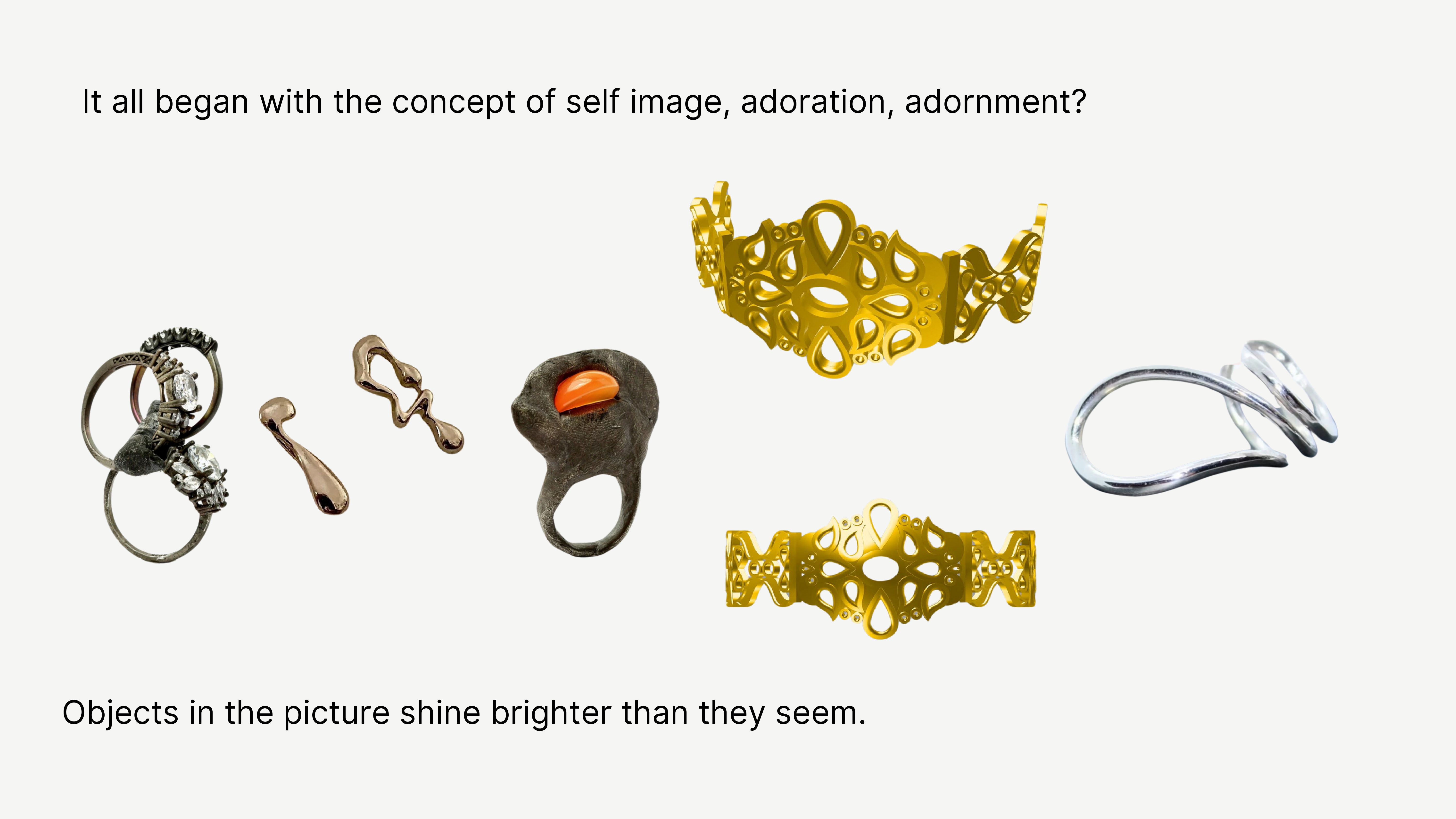
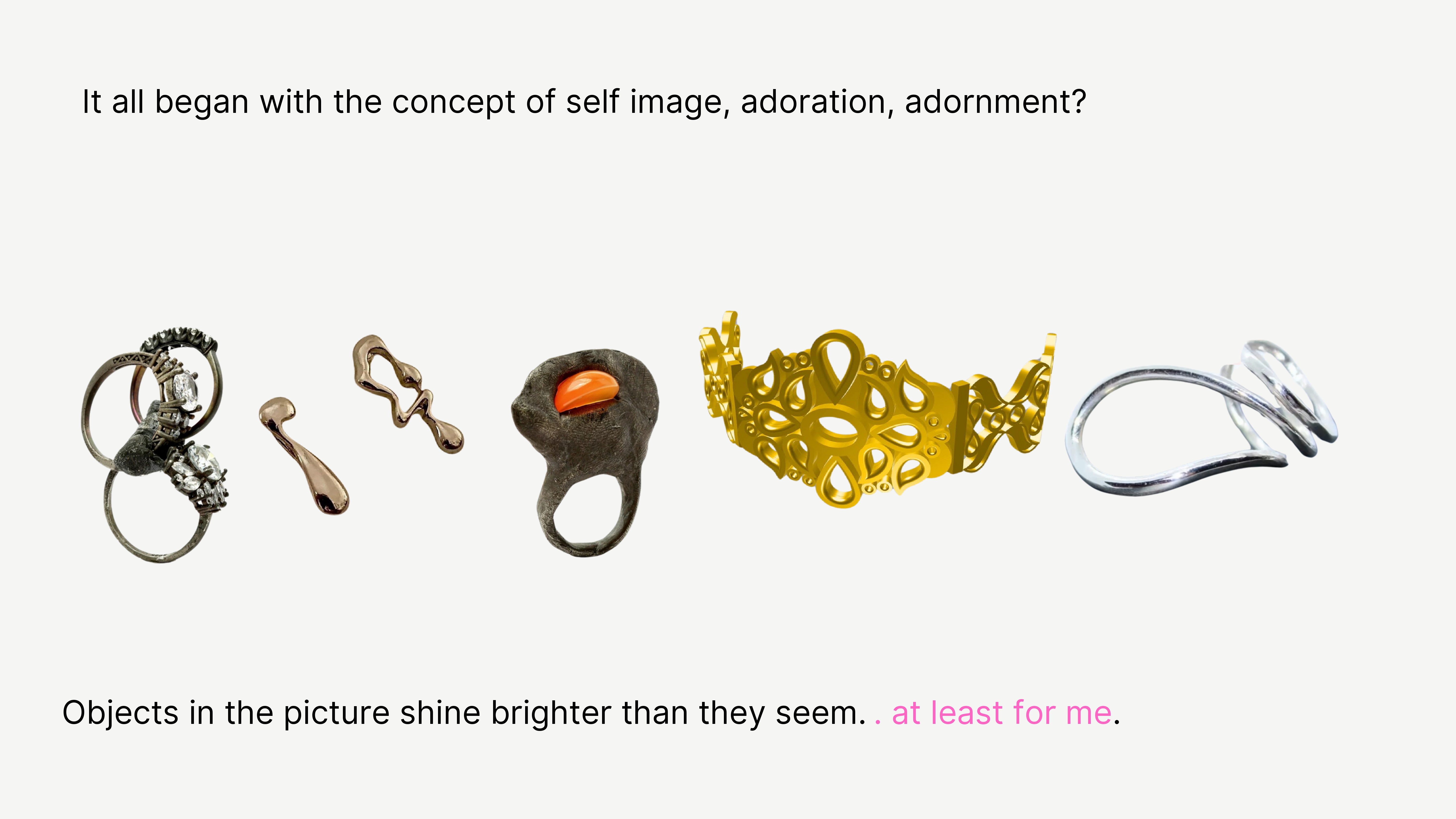
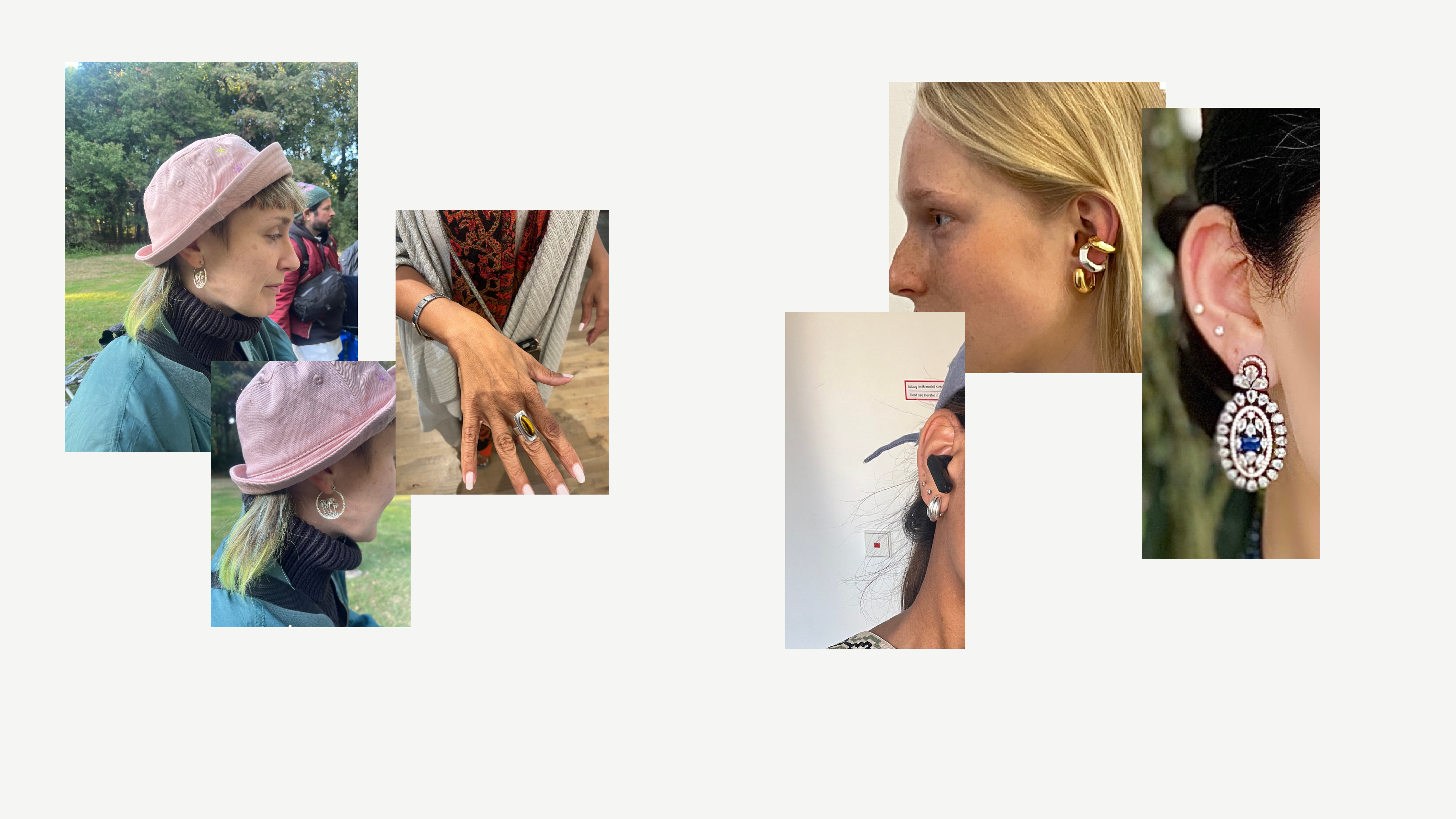
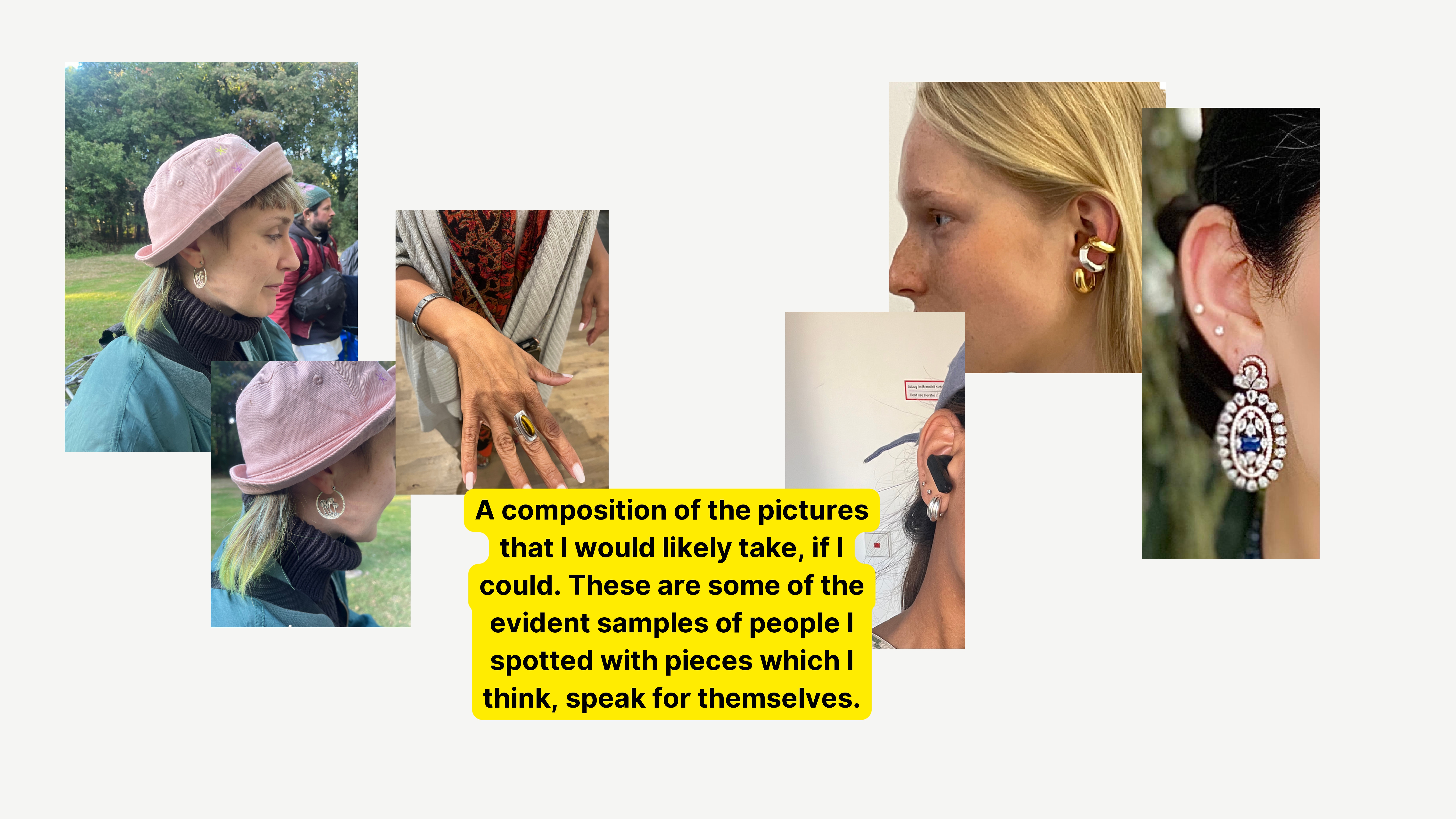
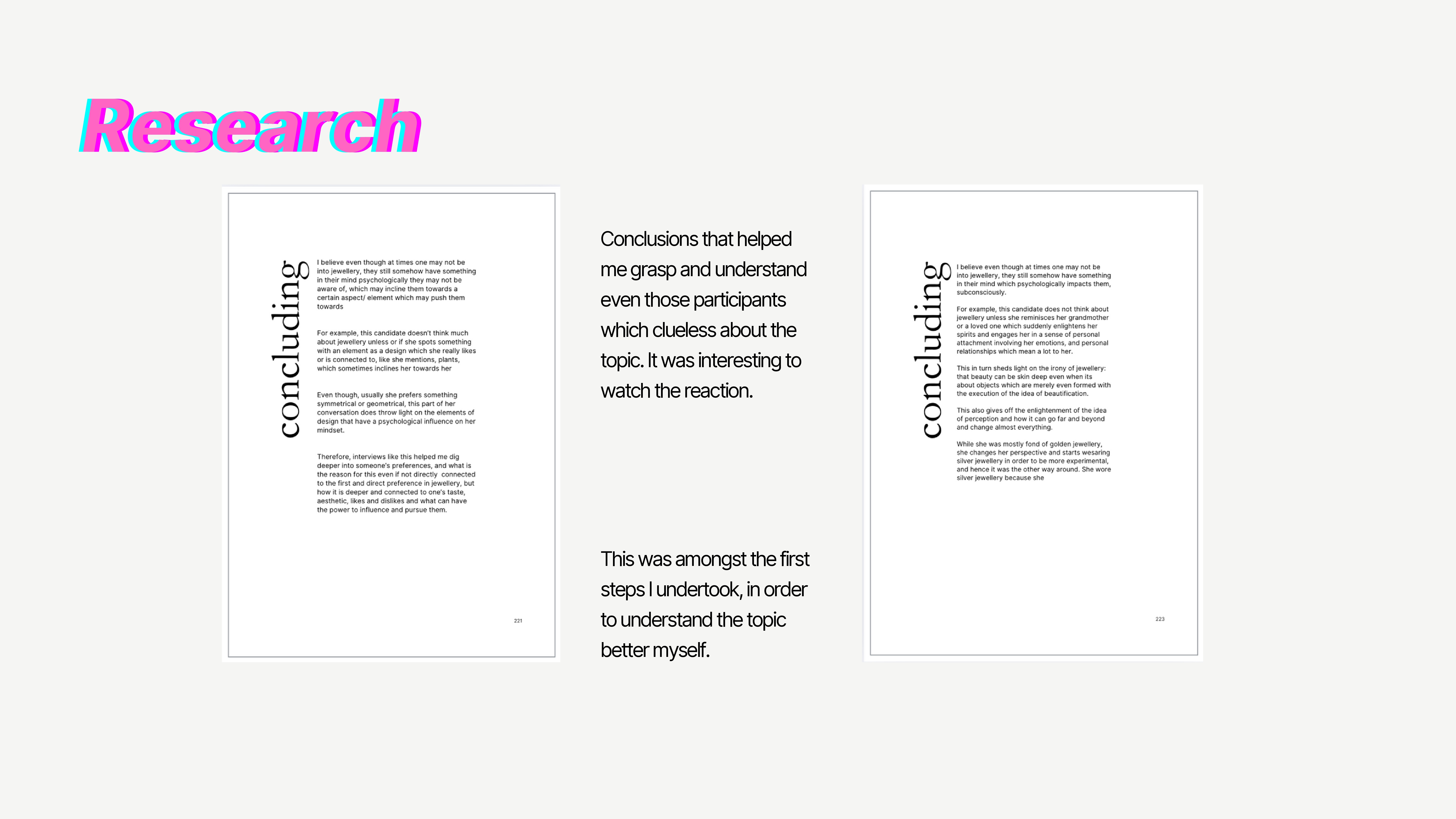
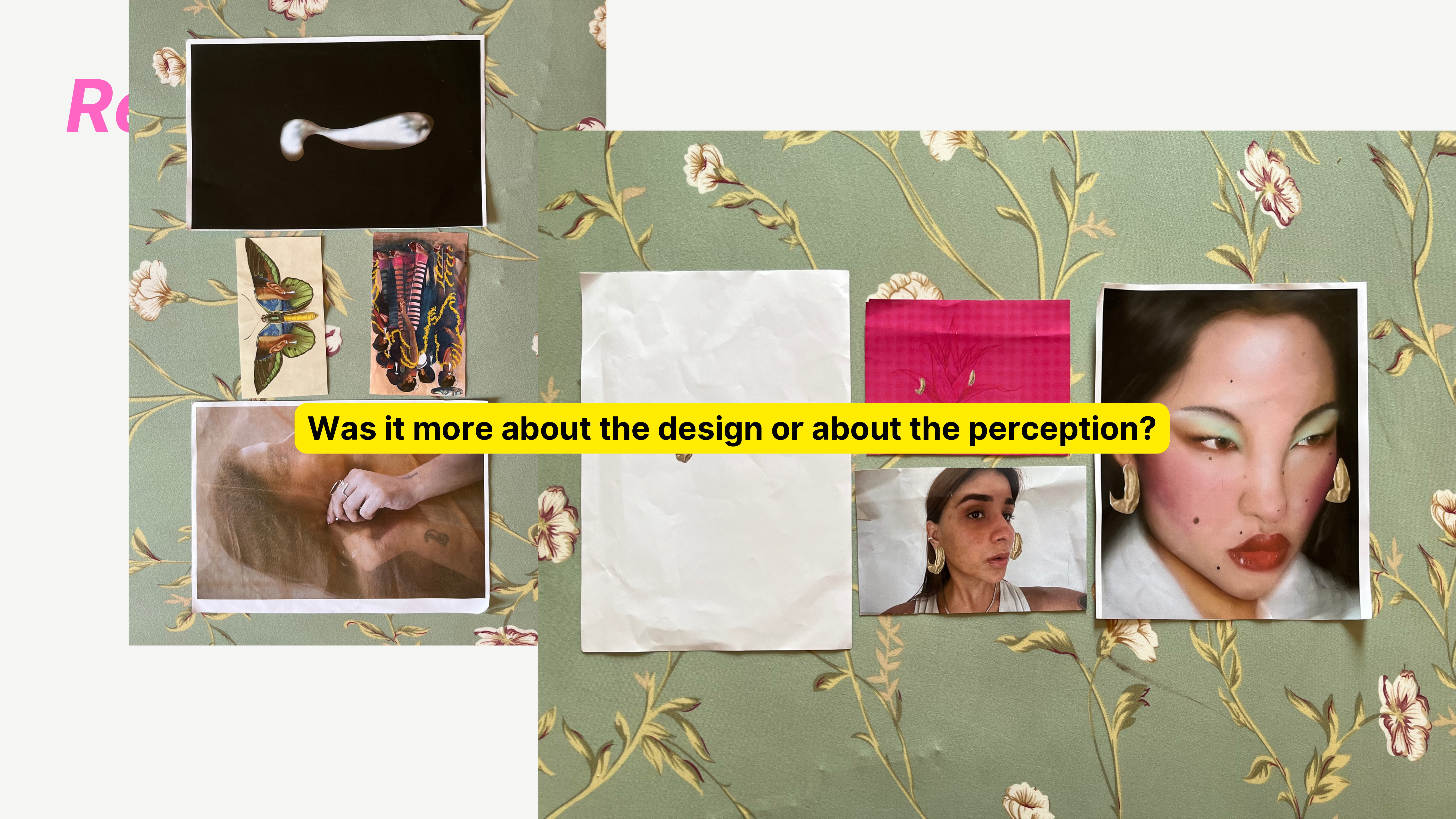
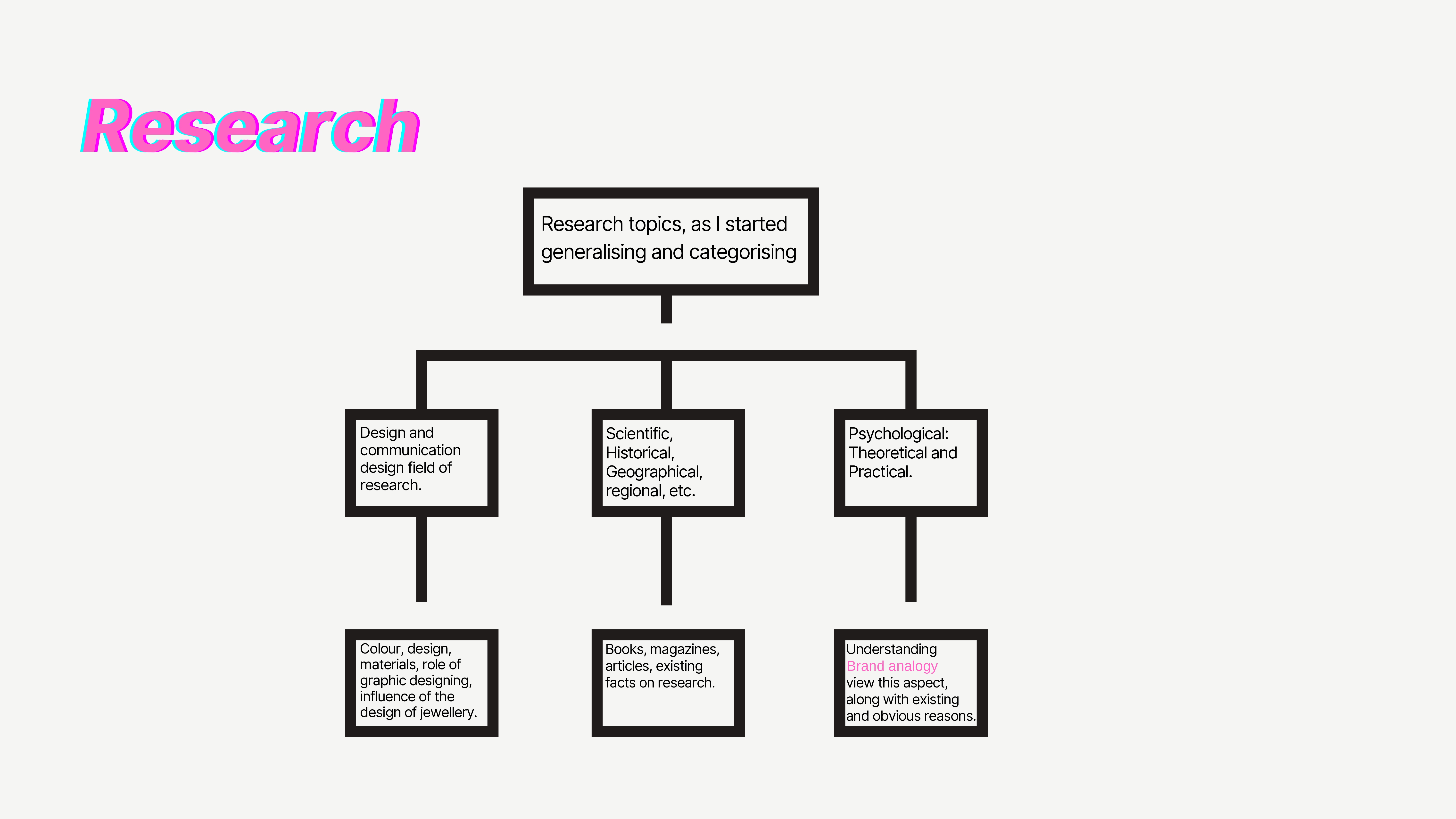
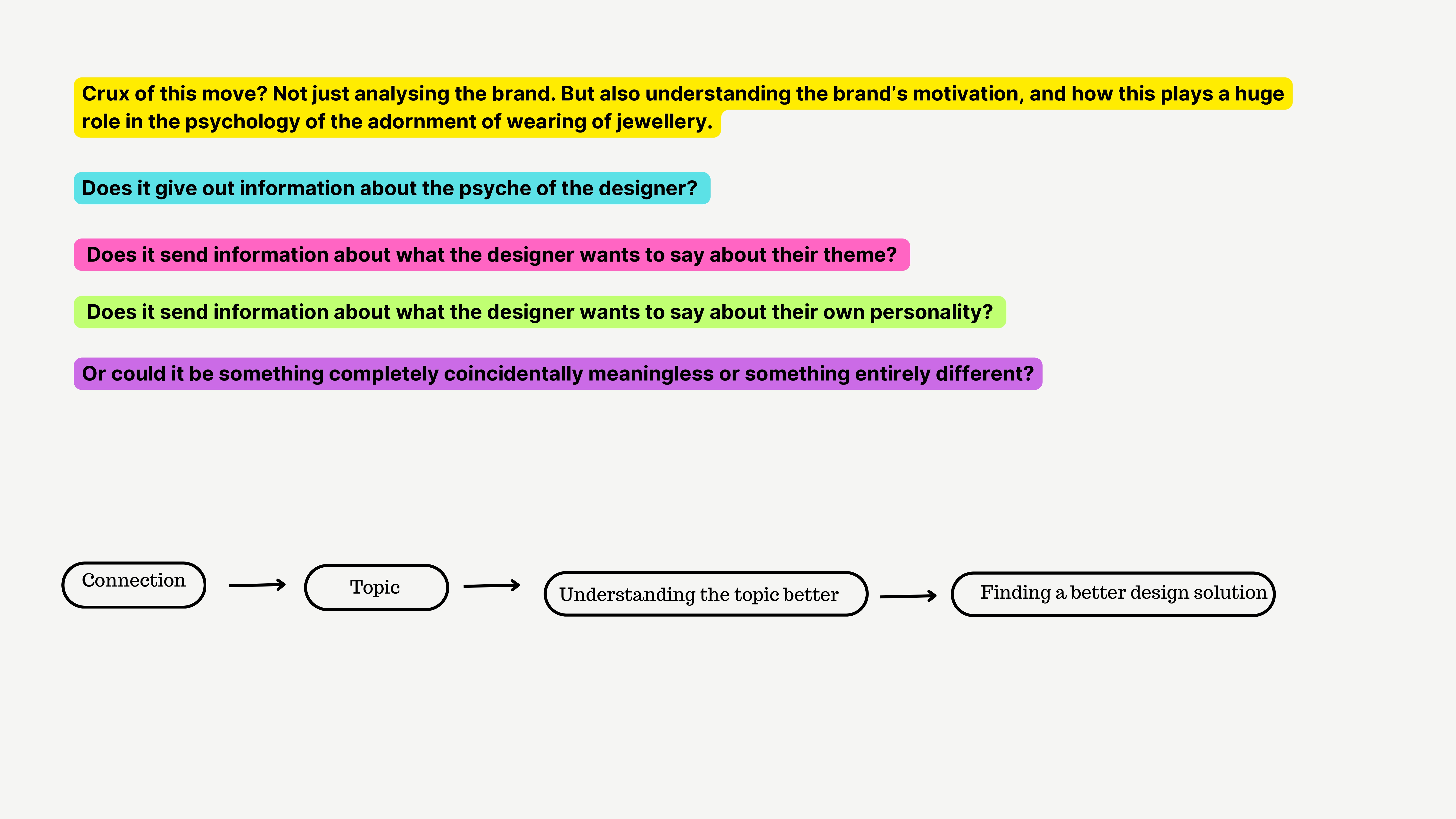
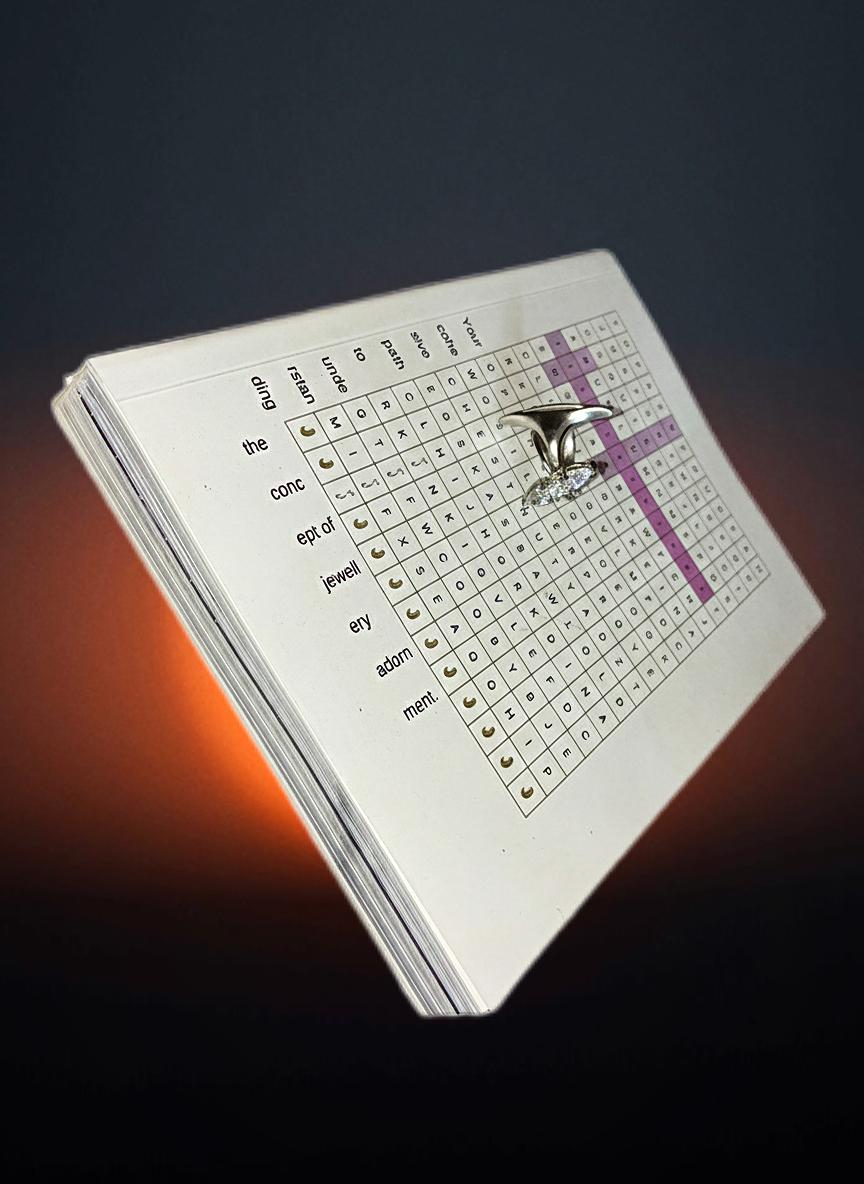
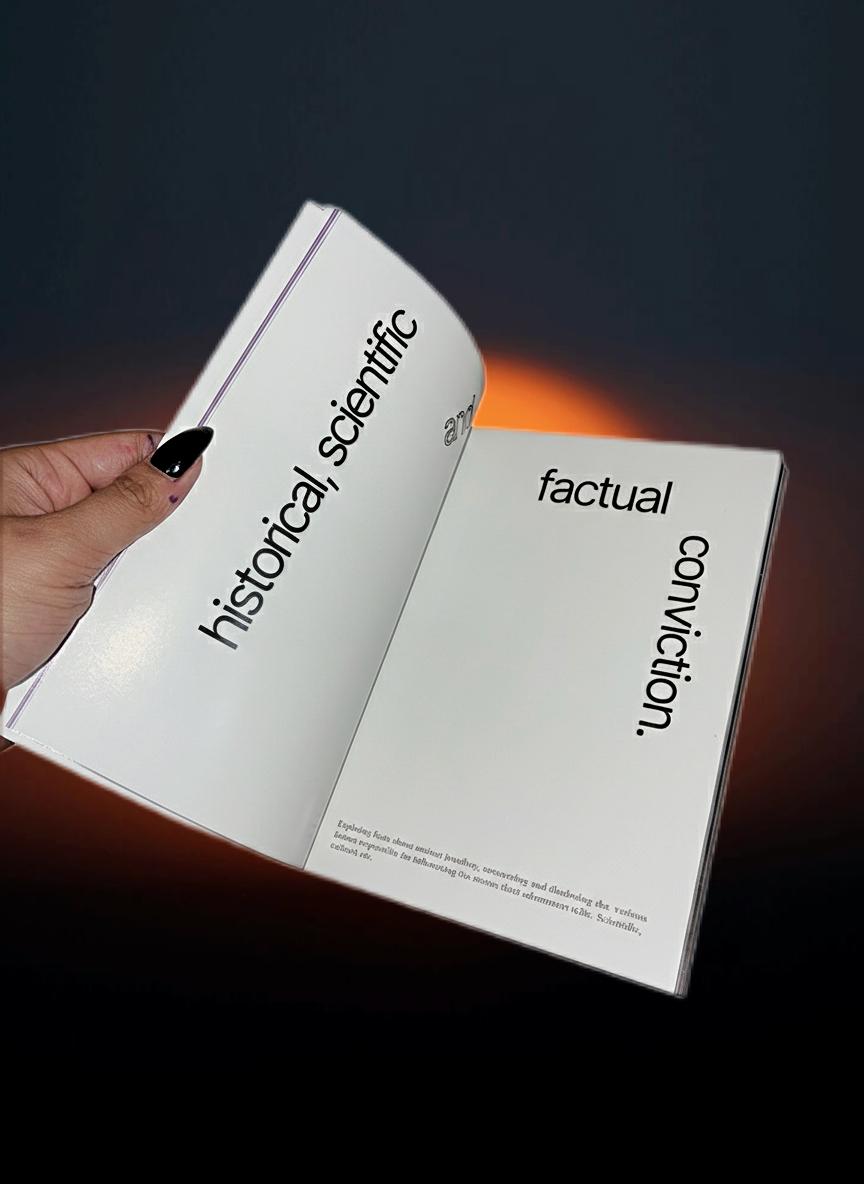
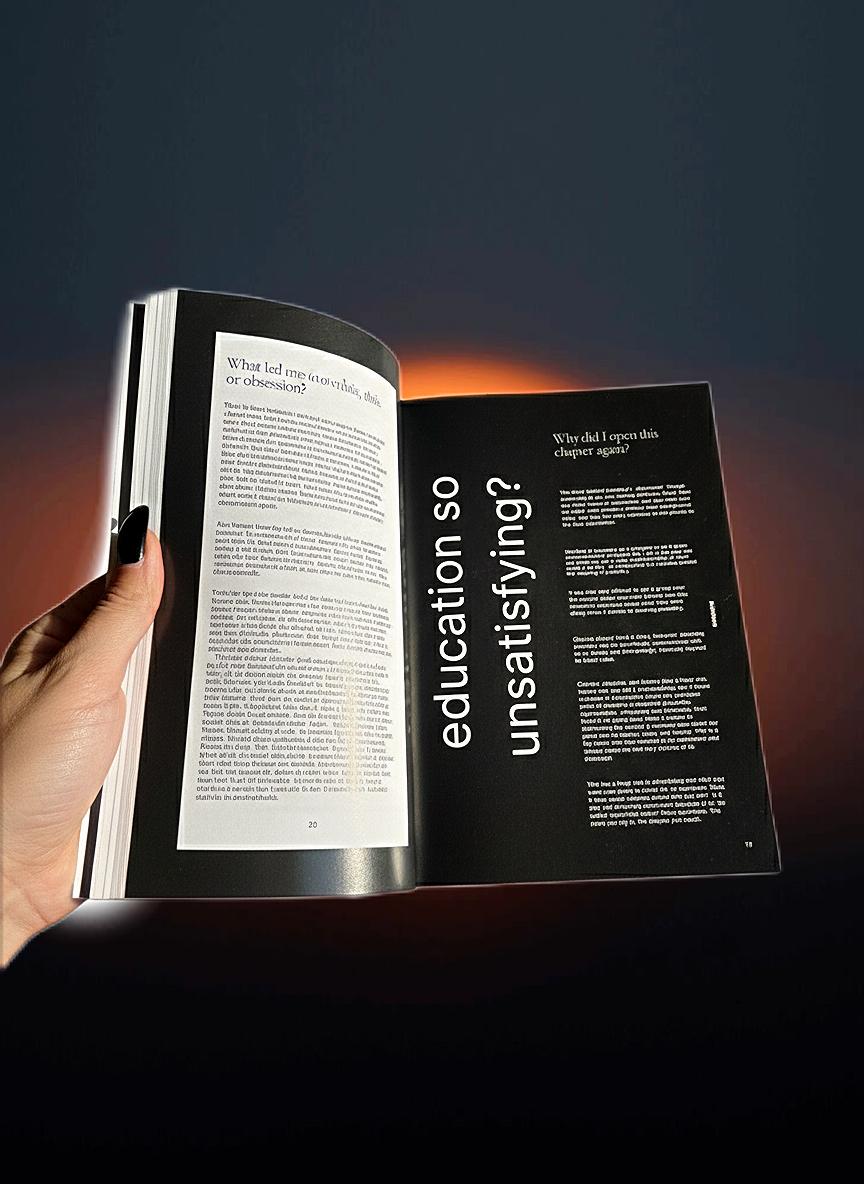
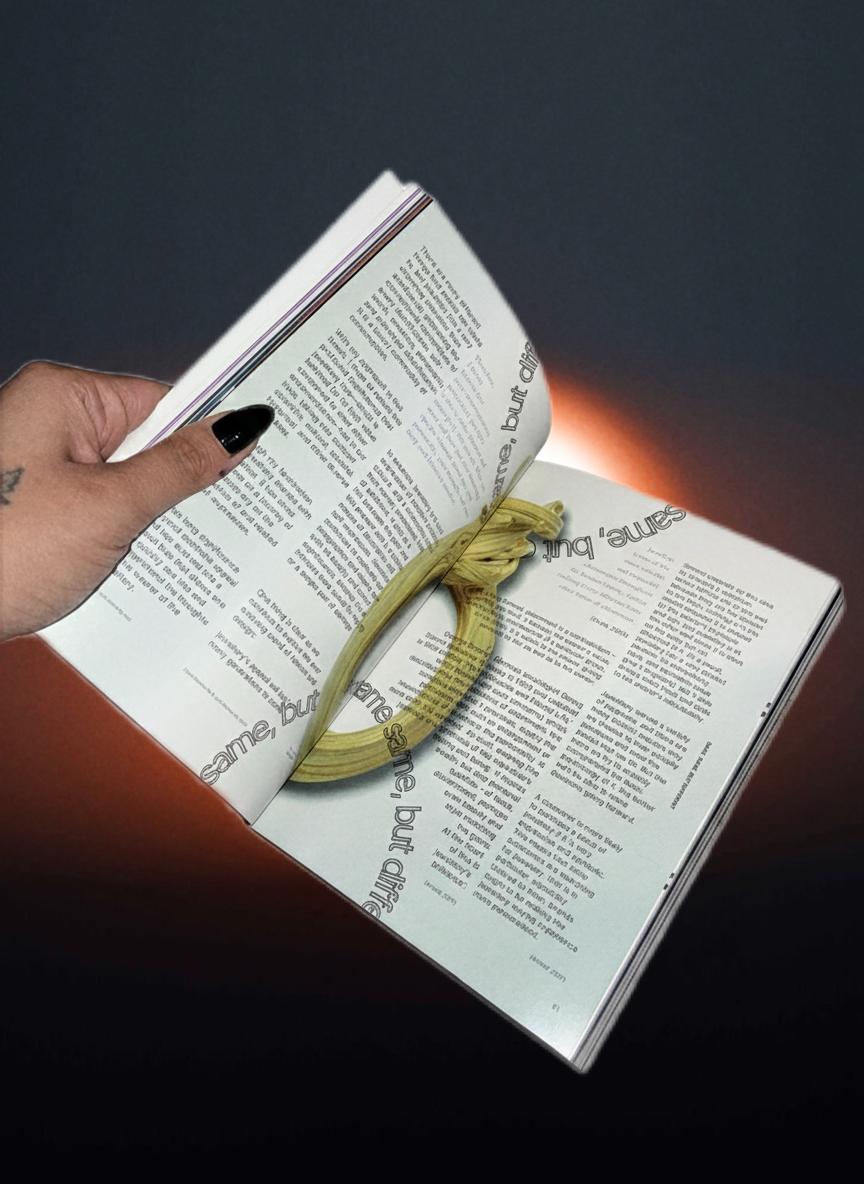
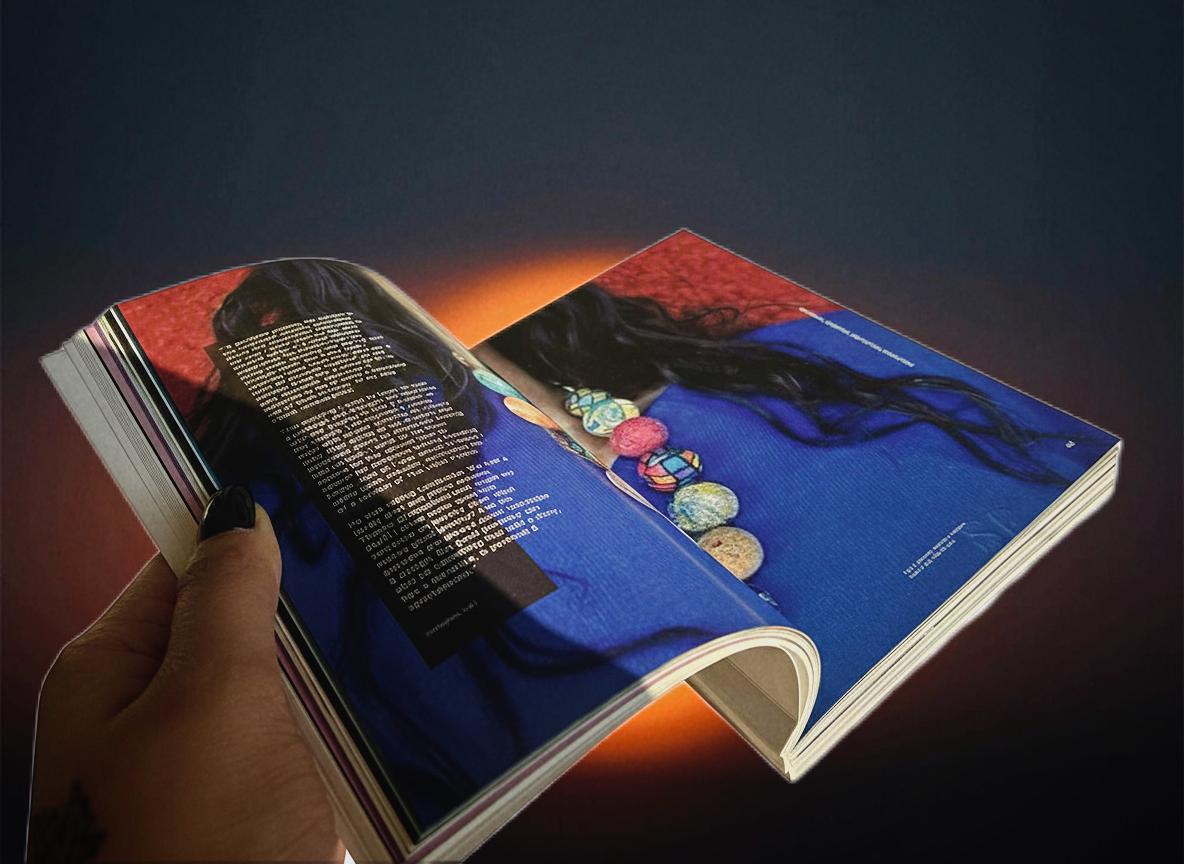
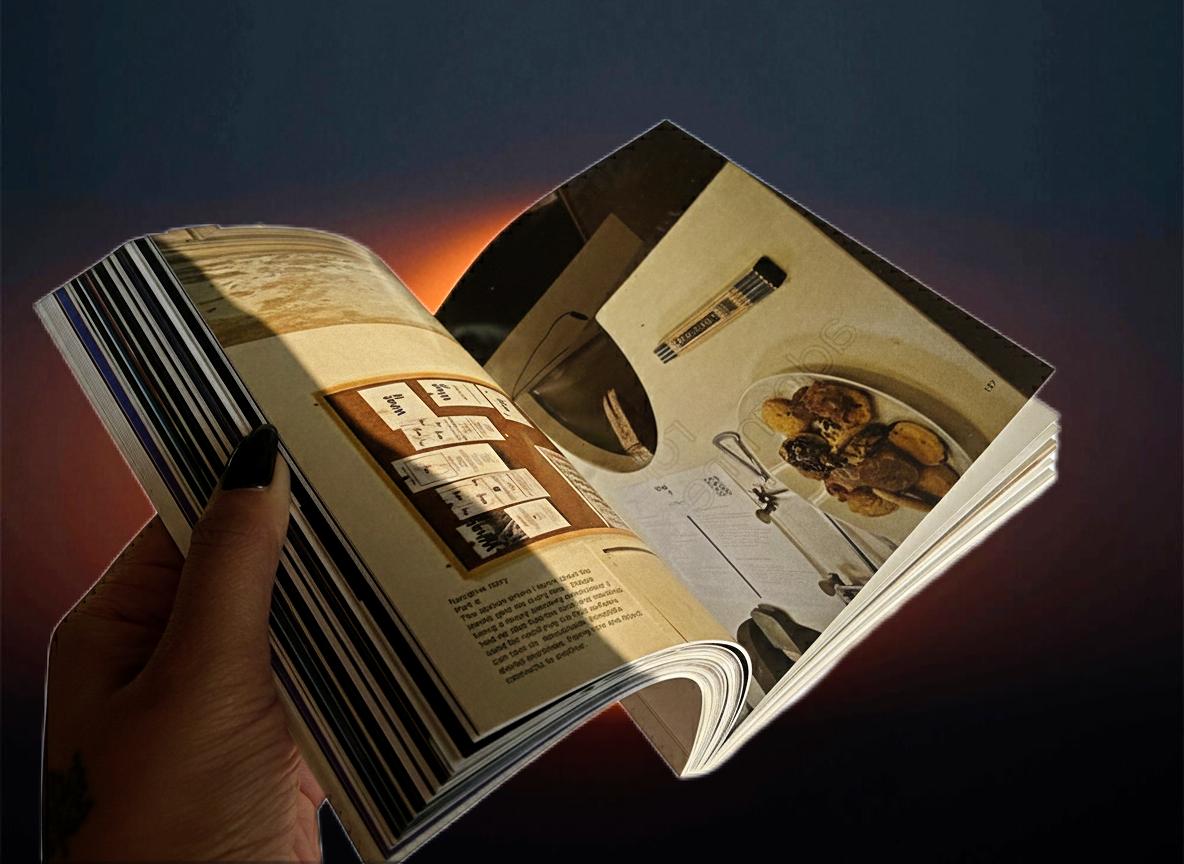
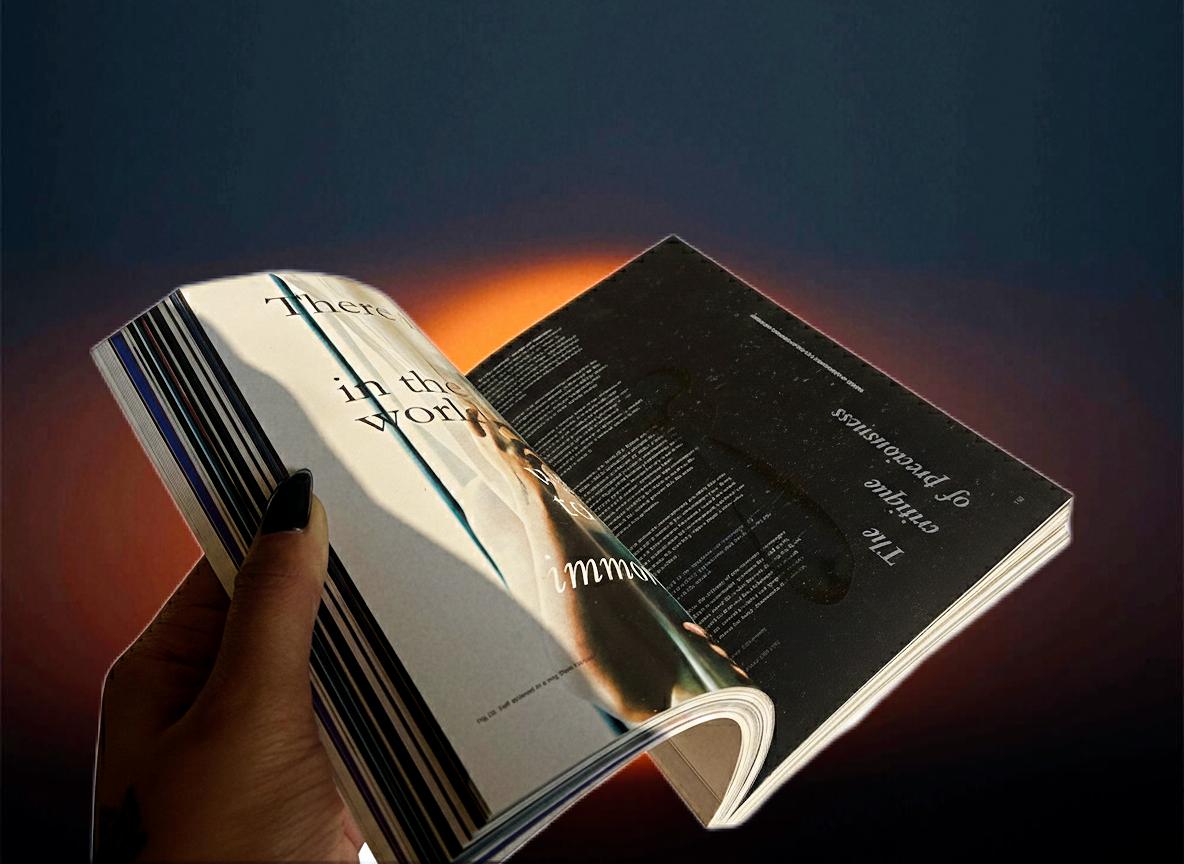
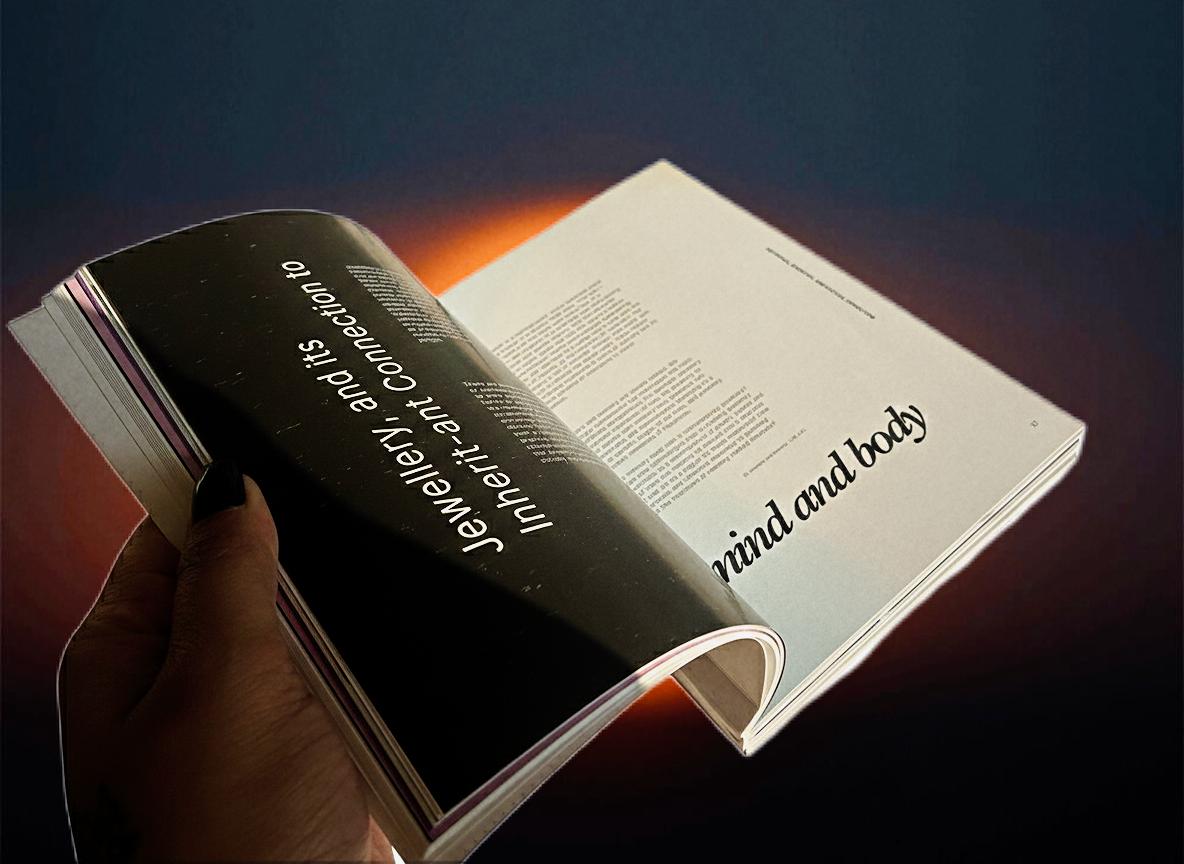
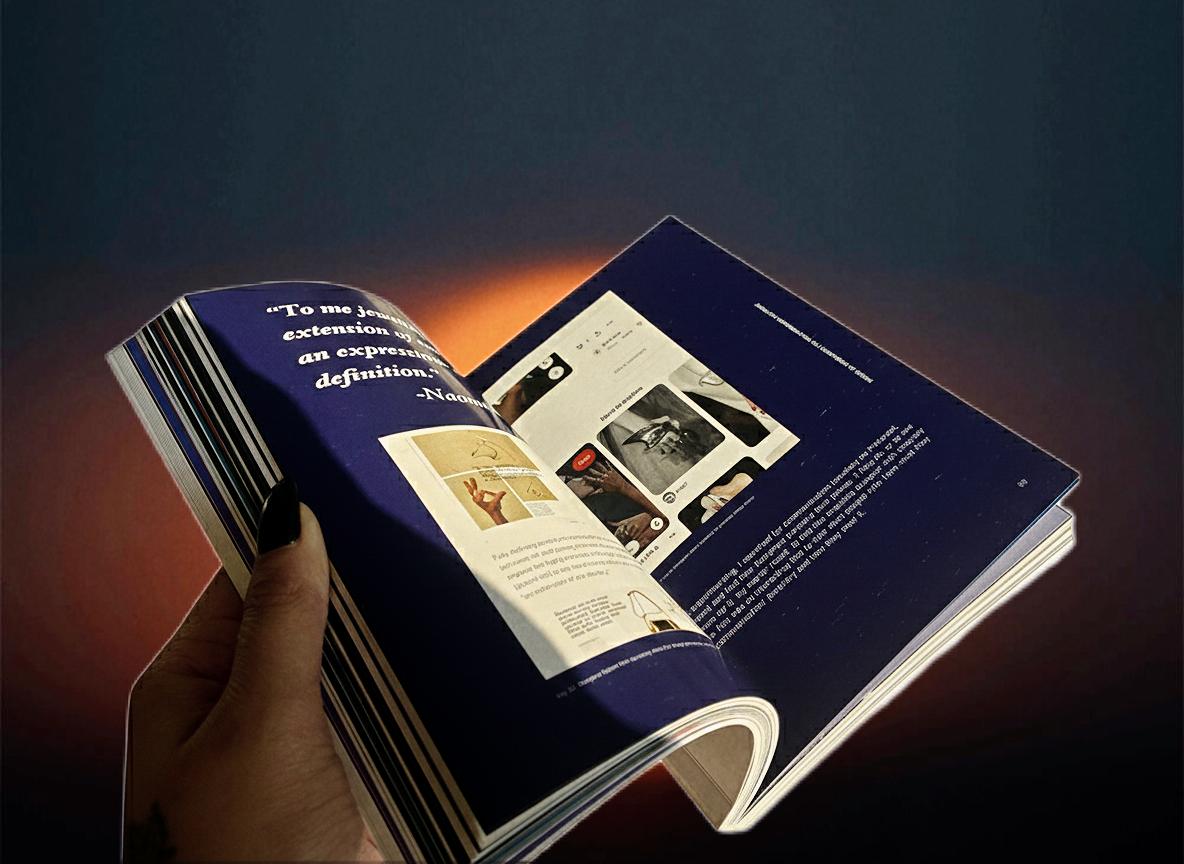
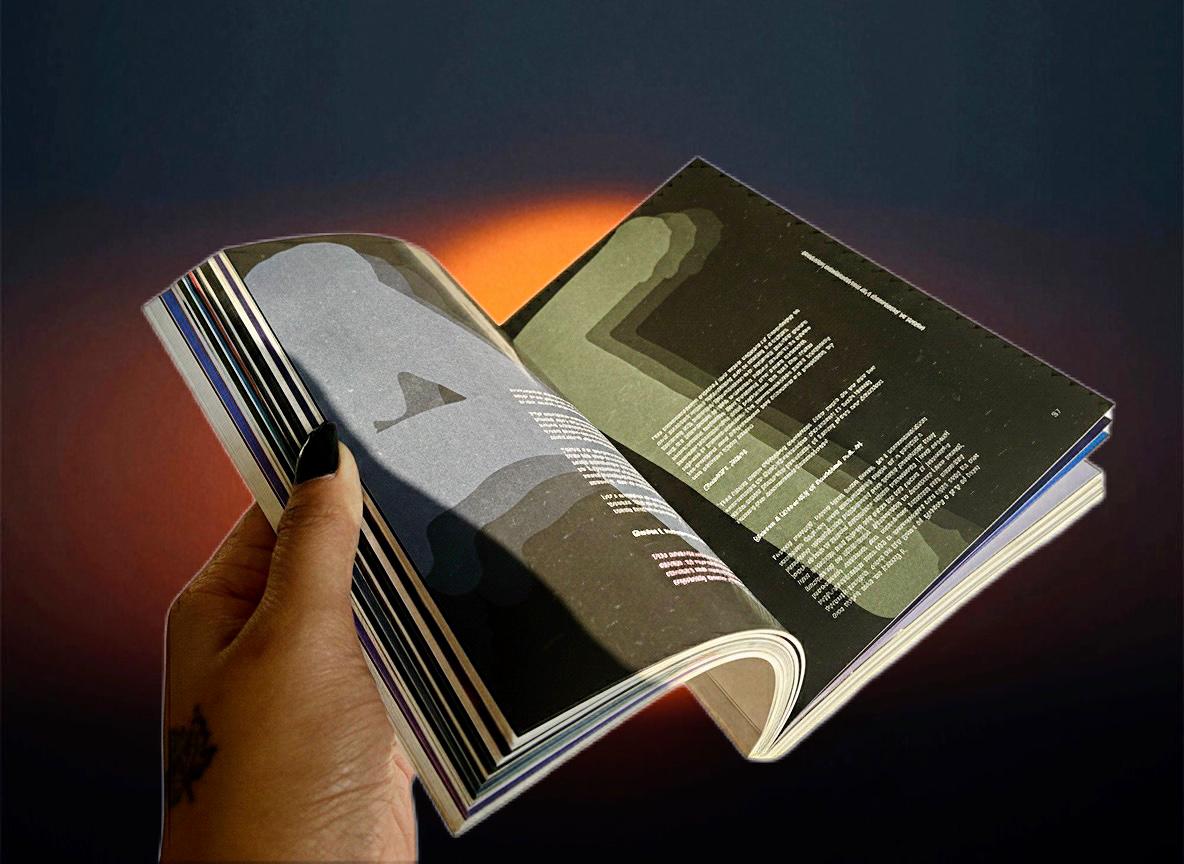
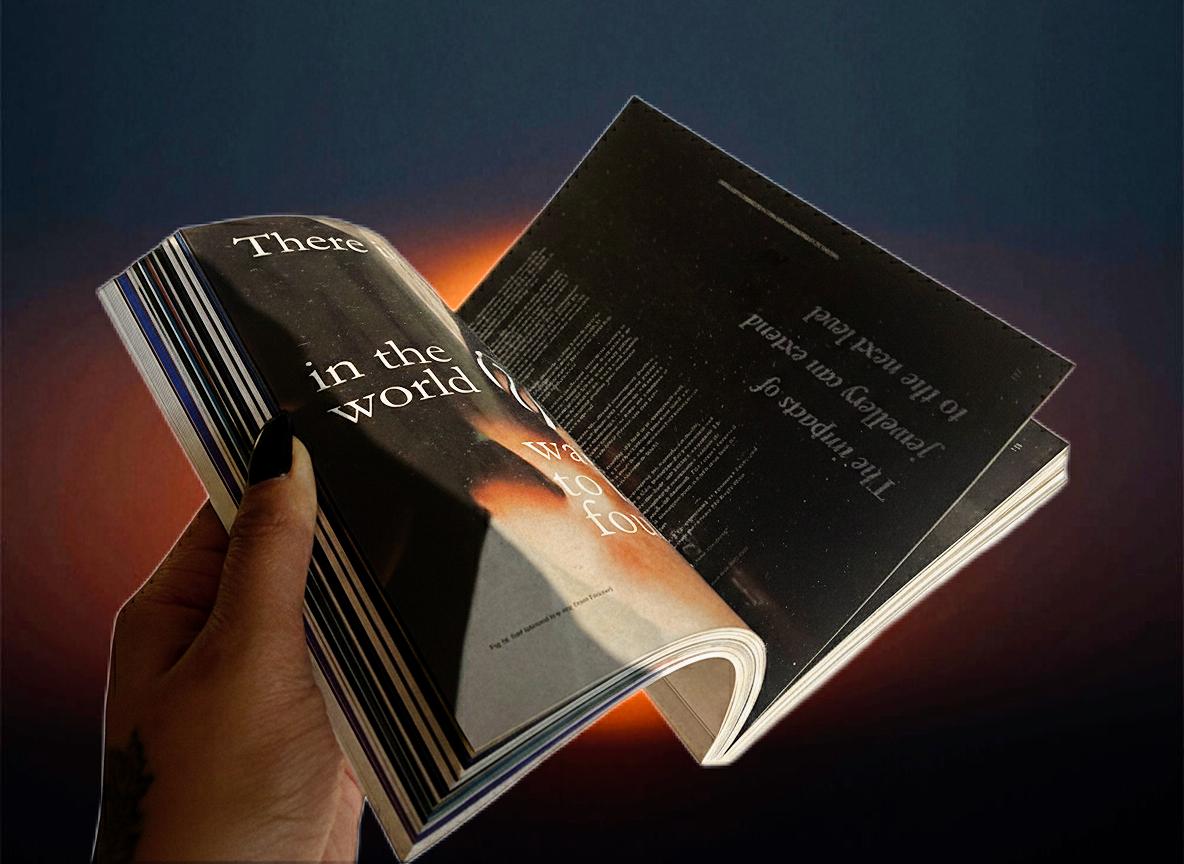
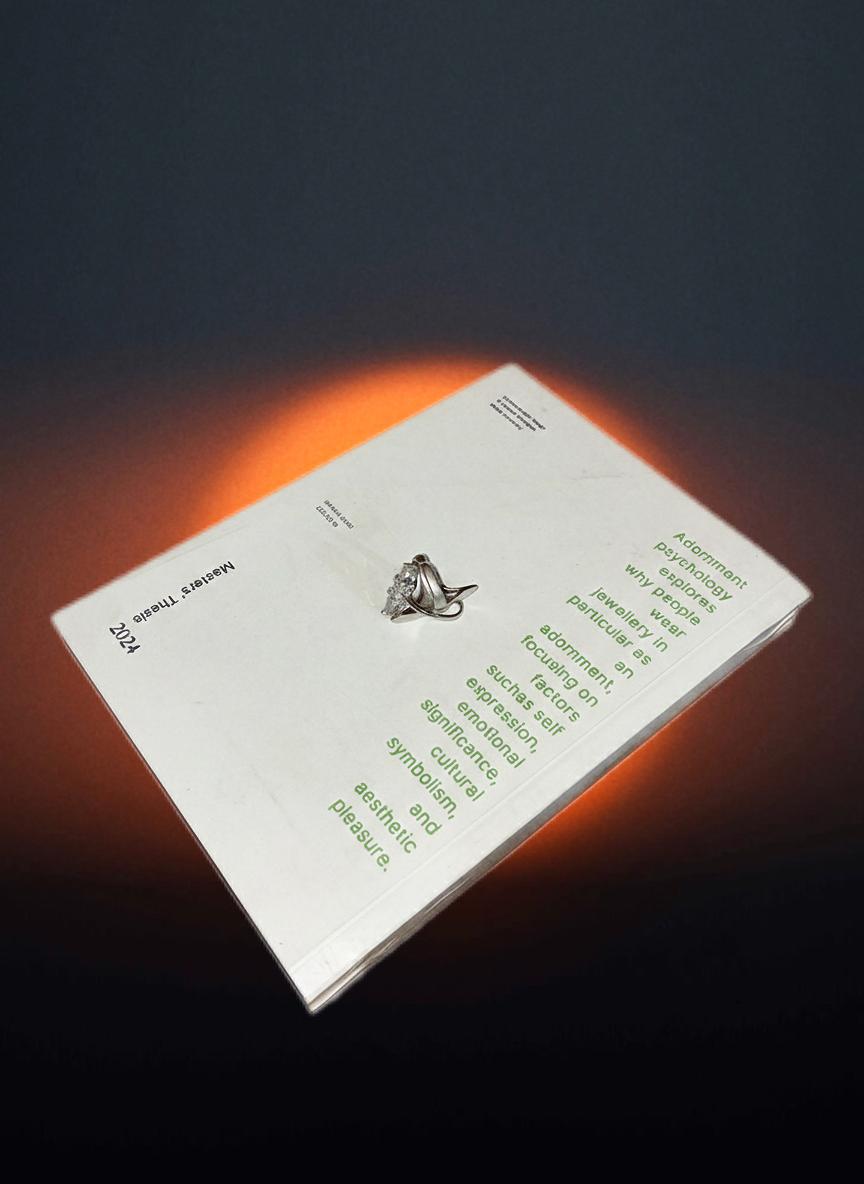
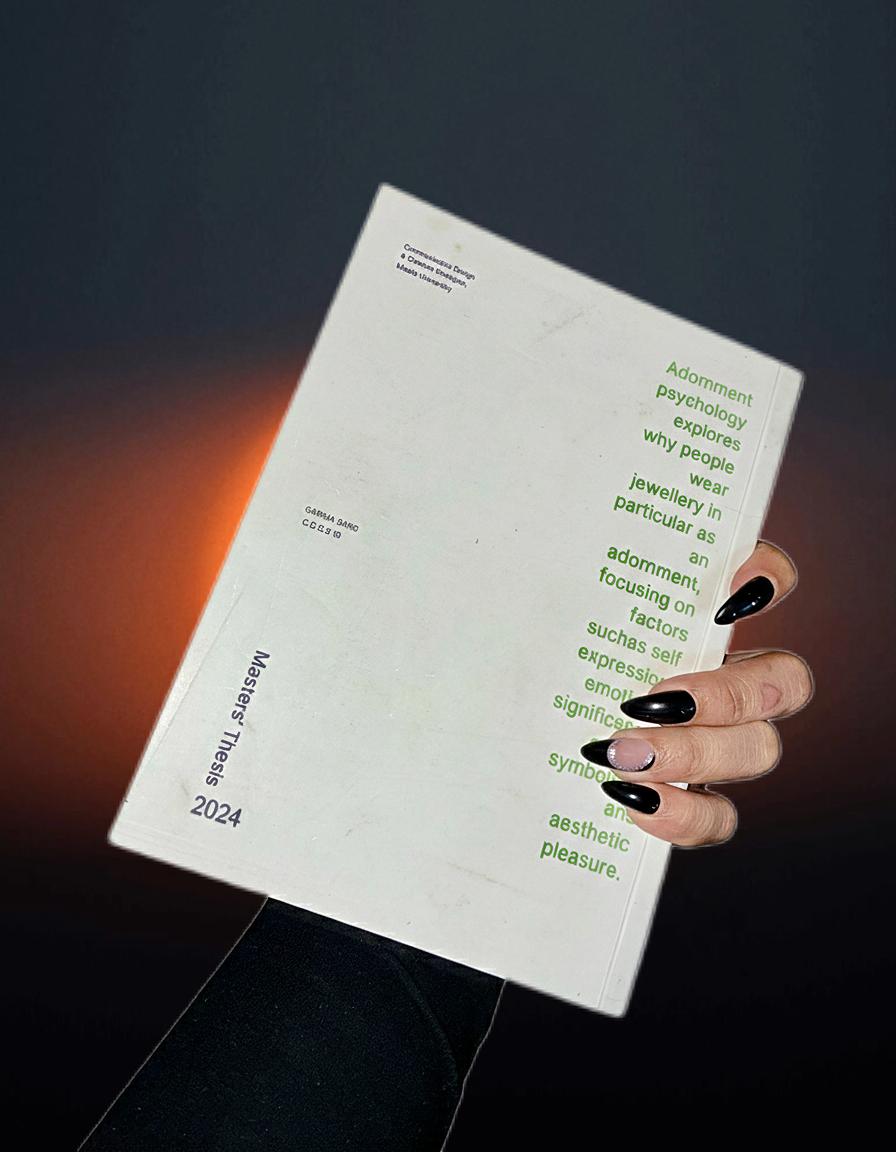
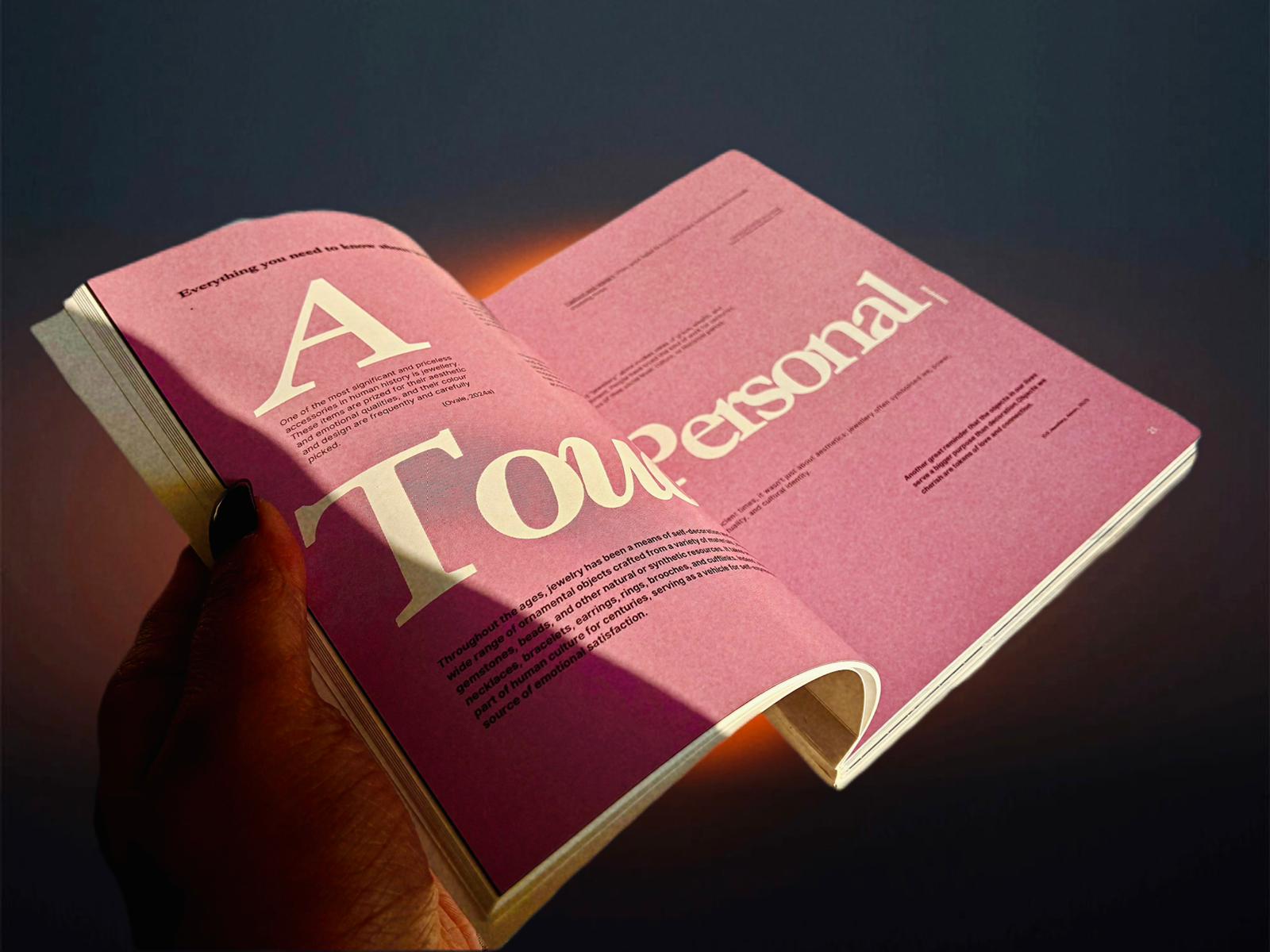
This thesis explores adornment psychology by examining jewelry as an emotional and psychological extension of the self. It investigates how objects accumulate meaning through memory, intimacy, and lived experience, moving beyond decorative value. The defence presentation articulates the conceptual framework, research insights, and visual methodology, demonstrating how design can reveal the deep, often unspoken bonds between humans and the objects they choose to wear.
Adornment is treated as a quiet language of attachment—where jewelry becomes a vessel for memory, emotion, and identity. This thesis reflects on the intimate relationships formed between body and object, shaped by time, touch, and personal history. The defence presentation weaves research and visual storytelling to communicate how adornment exists not merely as ornament, but as an extension of lived experience.
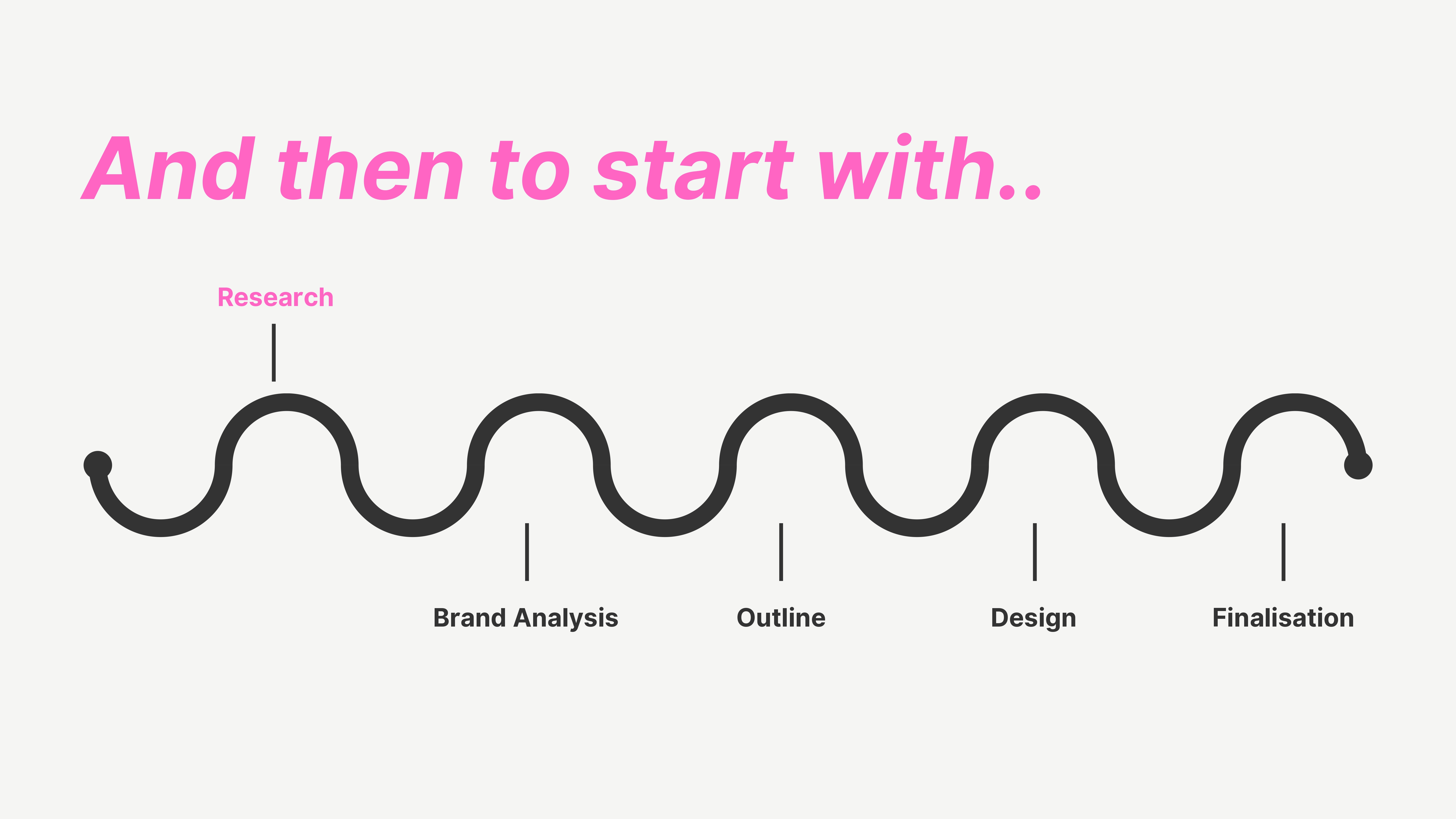
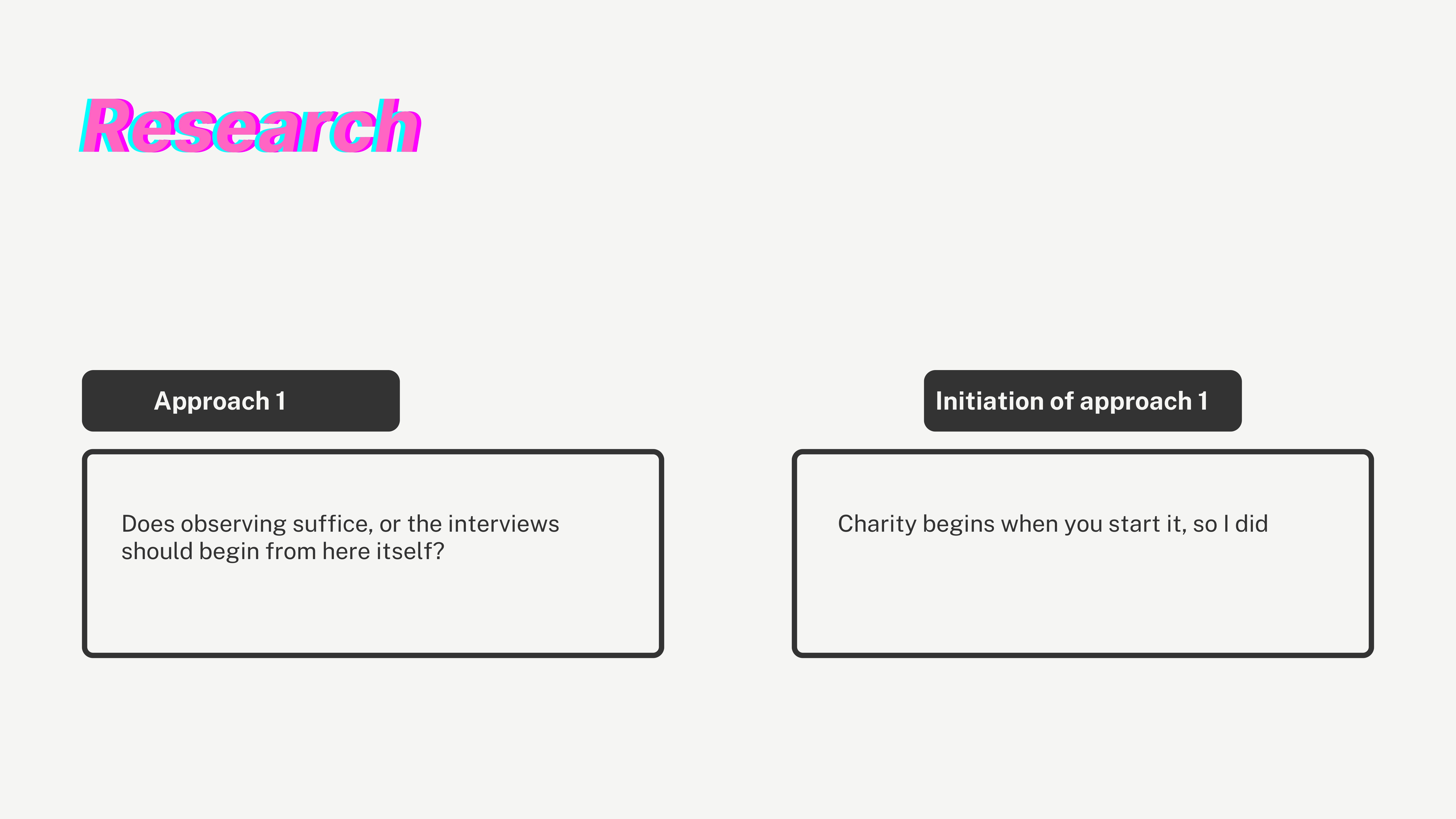
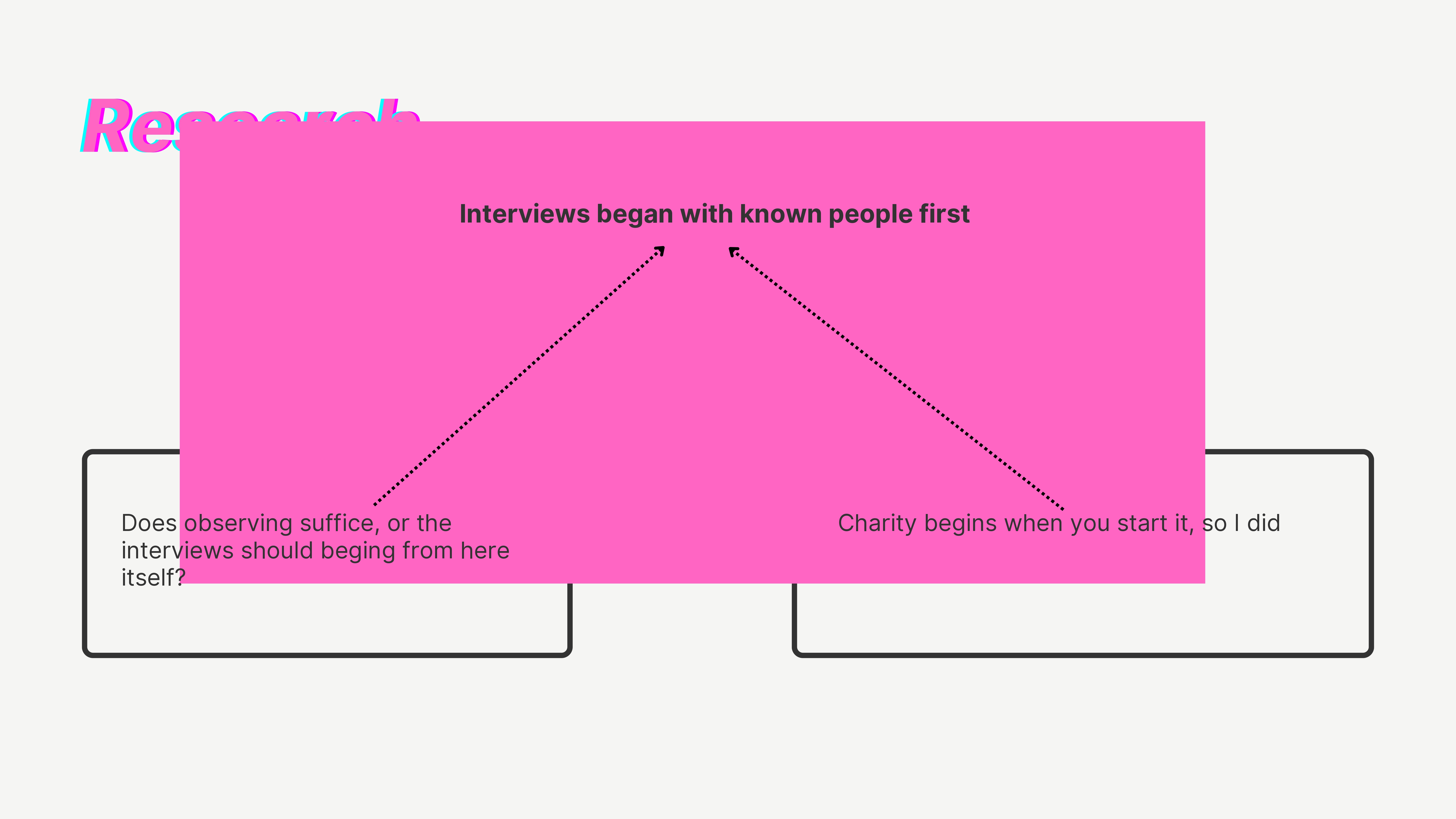
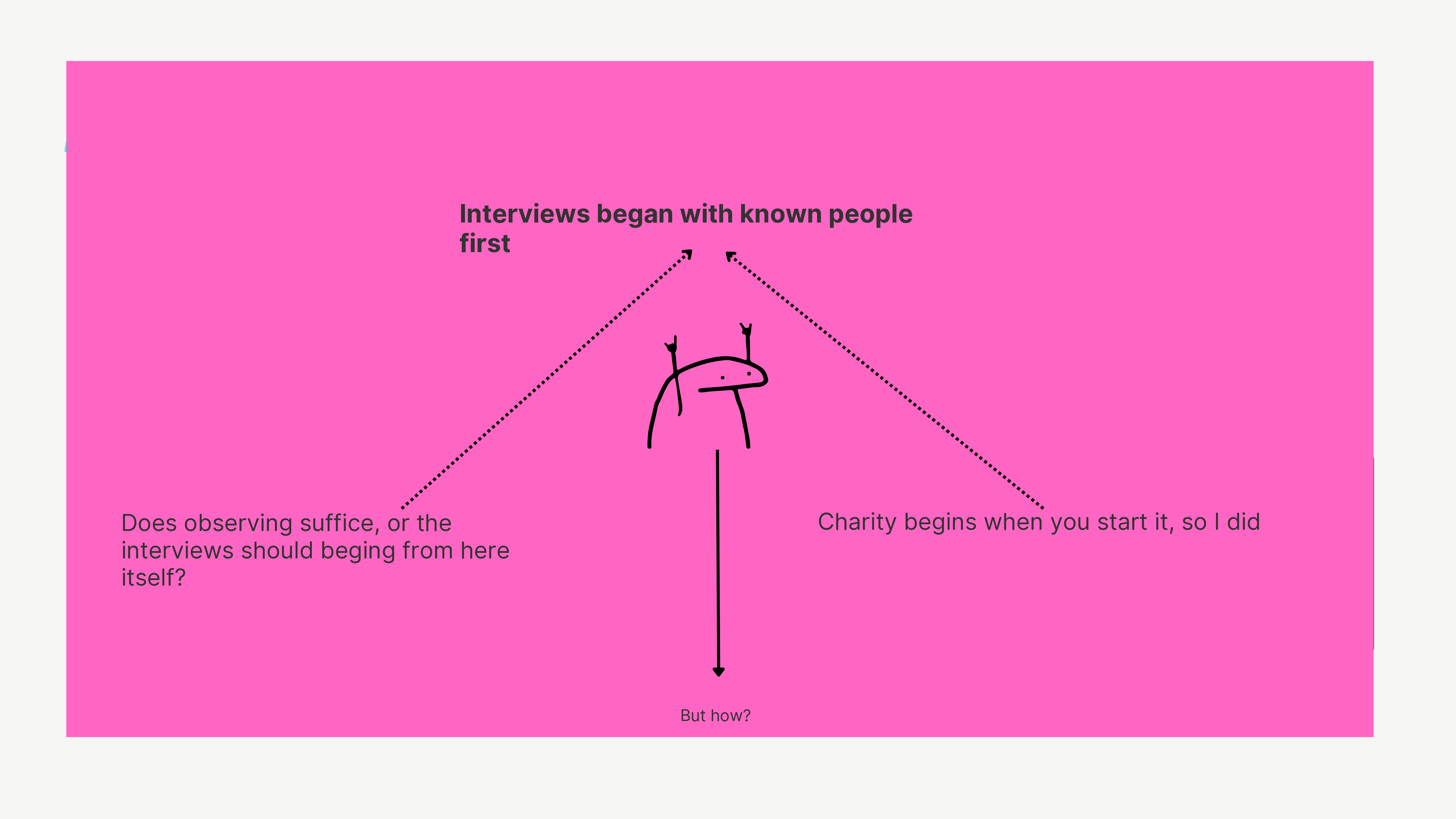
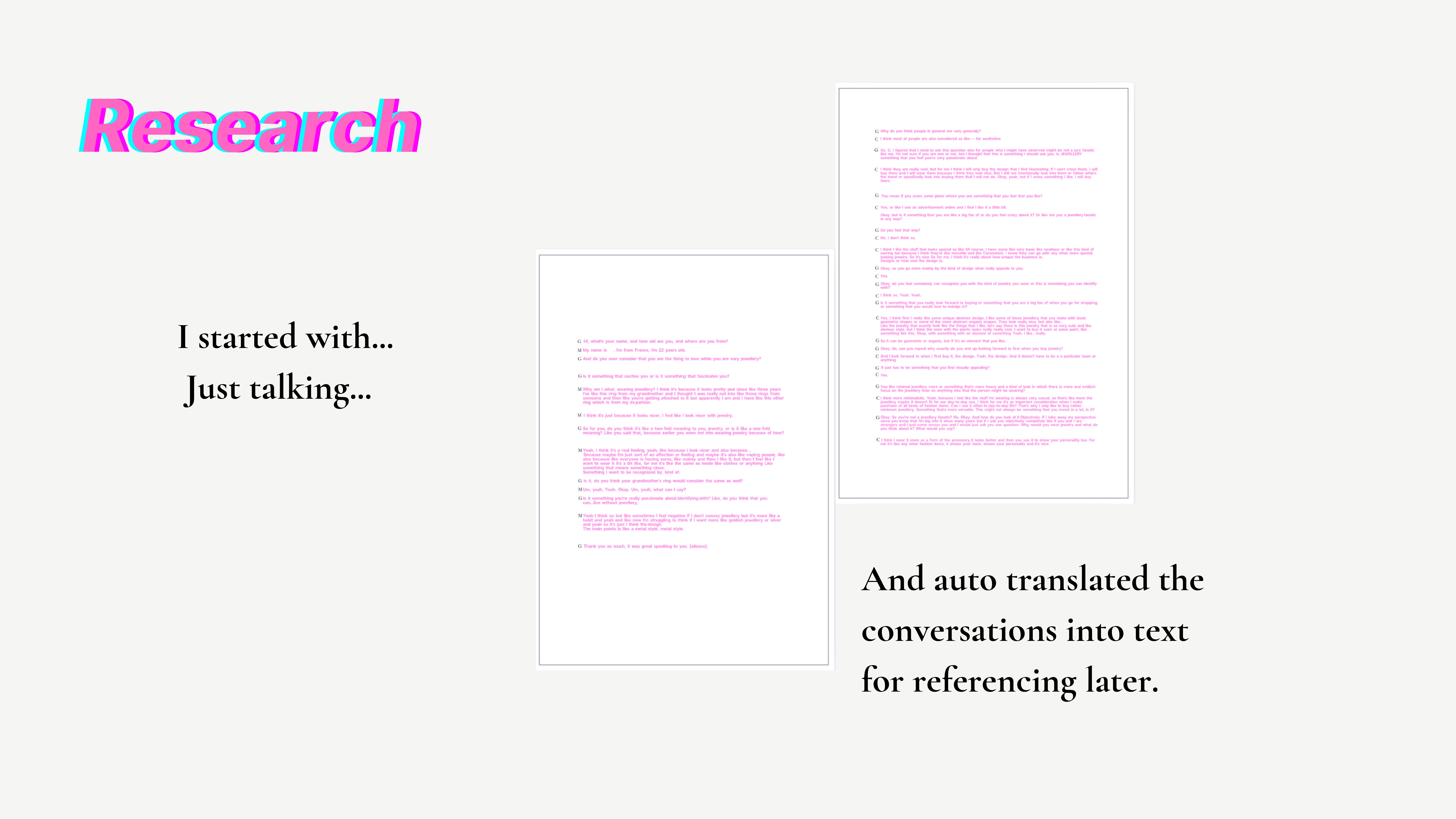
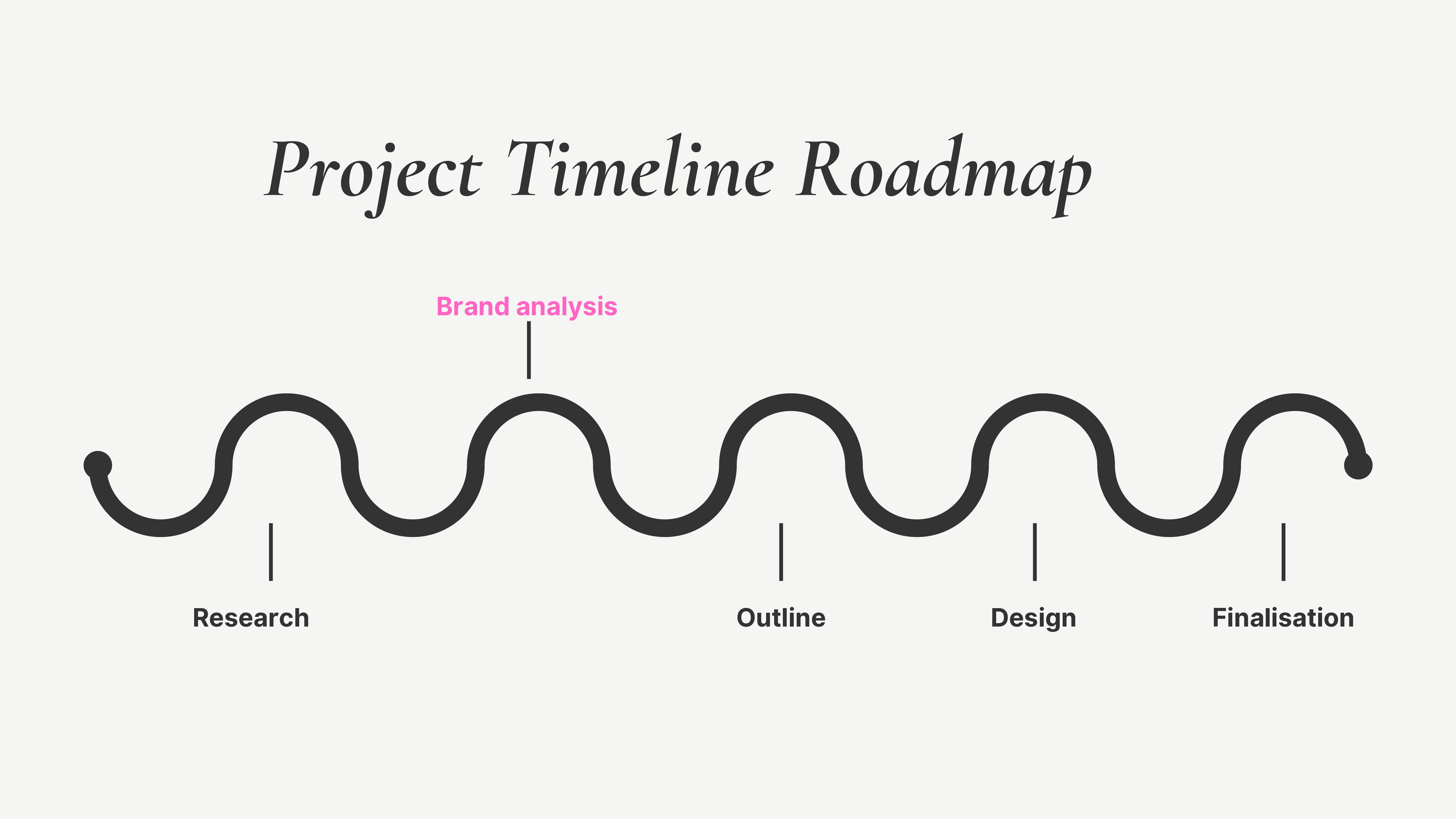
This thesis investigates adornment psychology through a design-led approach, focusing on jewelry as an emotional artifact rather than a decorative object. The project combines research, visual exploration, and narrative construction to examine how personal meaning is embedded in what we wear. The defence presentation clearly communicates the conceptual intent, design process, and visual outcomes, positioning adornment as a deeply human and experiential form of design.
Visual Designer & Illustrator based in Berlin with over 5 years of experience creating impactful, story-driven design. I specialize in UI/UX, branding, and digital illustration.
Contact Info
-
Mon – Fri, 09:00 AM – 05:00 PM